
PARISH OFFICE
941-378-1703 EXT 303

"For if we live, we live for the Lord, and if we die, we die for the Lord. So then, whether we live or whether we die, we are the Lord's." - Romans 14:8
“The Christian meaning of death is revealed in the light of the Paschal mystery of the death and resurrection of Christ in whom resides our only hope.
The Christian who dies in Christ Jesus is ‘away from the body and at home with the Lord.’
For the Christian the day of death inaugurates, at the end of his sacramental life, the fulfillment of his new birth begun at Baptism,
the definitive “conformity” to “the image of the Son” conferred by the anointing of the Holy Spirit,
and participation in the feast of the Kingdom which was anticipated in the Eucharist
even if final purifications are still necessary for him in order to be clothed with the nuptial garment.”
(Catechism of the Catholic Church, 1681-1682)
We are sorry for your loss and understand the pain of losing a loved one. The sadness of death should give way in our liturgy to the promise of resurrected life. A celebration of a person’s life reflects our conviction that in Jesus Christ we have life beyond life.
If you have experienced the death of a loved one, we, at Church of St Patrick would like to express our deepest sympathies to you and your family.
Our Catholic faith teaches us, through the resurrection of Jesus, to mourn with great hope. Still, grieving the death of a loved one is a traumatic experience that takes time and must be fully processed.
When we grieve, no one can understand the depth of our loss, but please know that you are not alone. We are here to help you prepare for the next few days leading up to the funeral liturgy, as well as support you as you mourn in the weeks and months ahead.
The death of someone close to us, expected or unexpected, is always difficult.
Our staff is here to help, please contact our Parish Office at:
941-378-1703 X303

The Church of Saint Patrick is pleased to offer its parishioners and friends the complete rites as a means of consolation for the living, and grace-filled assistance for the deceased. The Rite of Christian Burial at the Church of Saint Patrick is usually limited to Catholic parishioners and to those with significant ties to the Parish. We will do our best to schedule the Mass at the time most convenient for the family, depending on clergy and church availability. A Funeral Mass, Memorial Mass or Graveside Prayer Service is arranged, depending on your needs. The first step to take when planning a funeral liturgy is to call our Parish Office to discuss the details.We invite you to take part in the planning process or we can plan the entire service for you.
We have provided for you a Funeral Planning Guide that can be downloaded and prepared before meeting with us.
Funeral Planning Guide Click Here
Parish Office 941-378-1703, x 303
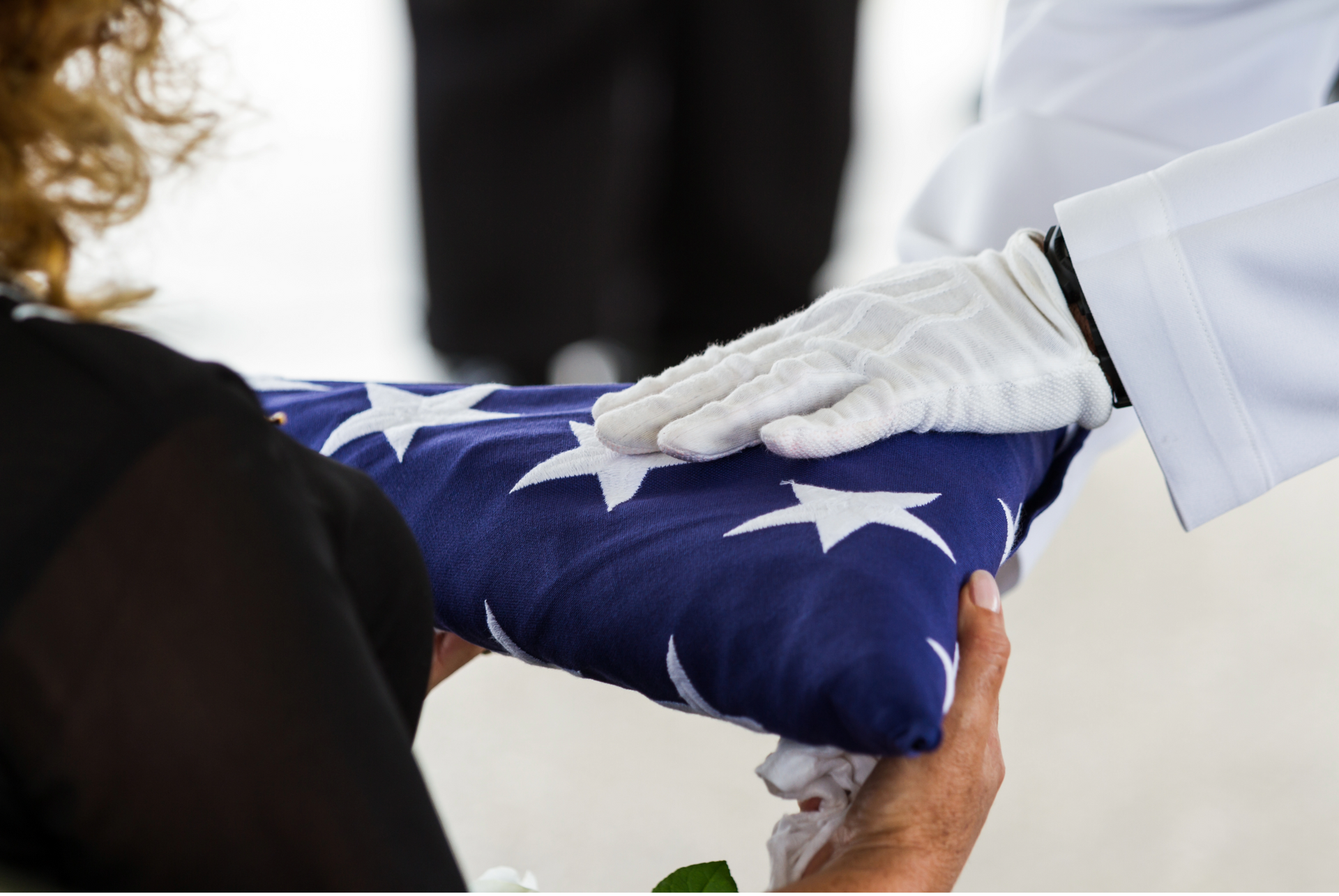
As a veteran, you and your spouse may be eligible for burial in a national cemetery. Find out more by contacting the Sarasota National Cemetery or visiting their website .
Graveside prayer services are available.
Your Funeral Director will coordinate Military Honors for you upon request.
The Sarasota National Cemetery s located at:
9810 State Road 72, Sarasota, FL 34241
PHONE: 877-861-9840 or 941-922-7200
Fax: 941-922-3457
An Overview of Catholic Funeral Rites
The Catholic funeral rite is divided into several stations, or parts, each with its own purpose. For this reason we recommend following the complete structure and making use of each station.
Funeral Liturgy
The funeral liturgy is the central liturgical celebration of the Christian community for the deceased. When one of its members dies, the Church encourages the celebration of the funeral liturgy at a Mass. When Mass cannot be celebrated, a funeral liturgy outside Mass can be celebrated at the Church or in the funeral home.
At the funeral liturgy, the Church gathers with the family and friends of the deceased to give praise and thanks to God for Christ's victory over sin and death, to commend the deceased to God's tender mercy and compassion, and to seek strength in the proclamation of the Paschal Mystery. The funeral liturgy, therefore, is an act of worship, and not merely an expression of grief.
Rite of Committal (Burial or Interment)
The Rite of Committal, the conclusion of the funeral rite, is the final act of the community of faith in caring for the body of its deceased member. It should normally be celebrated at the place of committal, that is, beside the open grave or place of interment. In committing the body to its resting place, the community expresses the hope that, with all those who have gone before us marked with the sign of faith, the deceased awaits the glory of the resurrection.
The Rite of Committal is an expression of the communion that exists between the Church on earth and the Church in heaven: the deceased passes with the farewell prayers of the community of believers into the welcoming company of those who need faith no longer, but see God face-to-face.
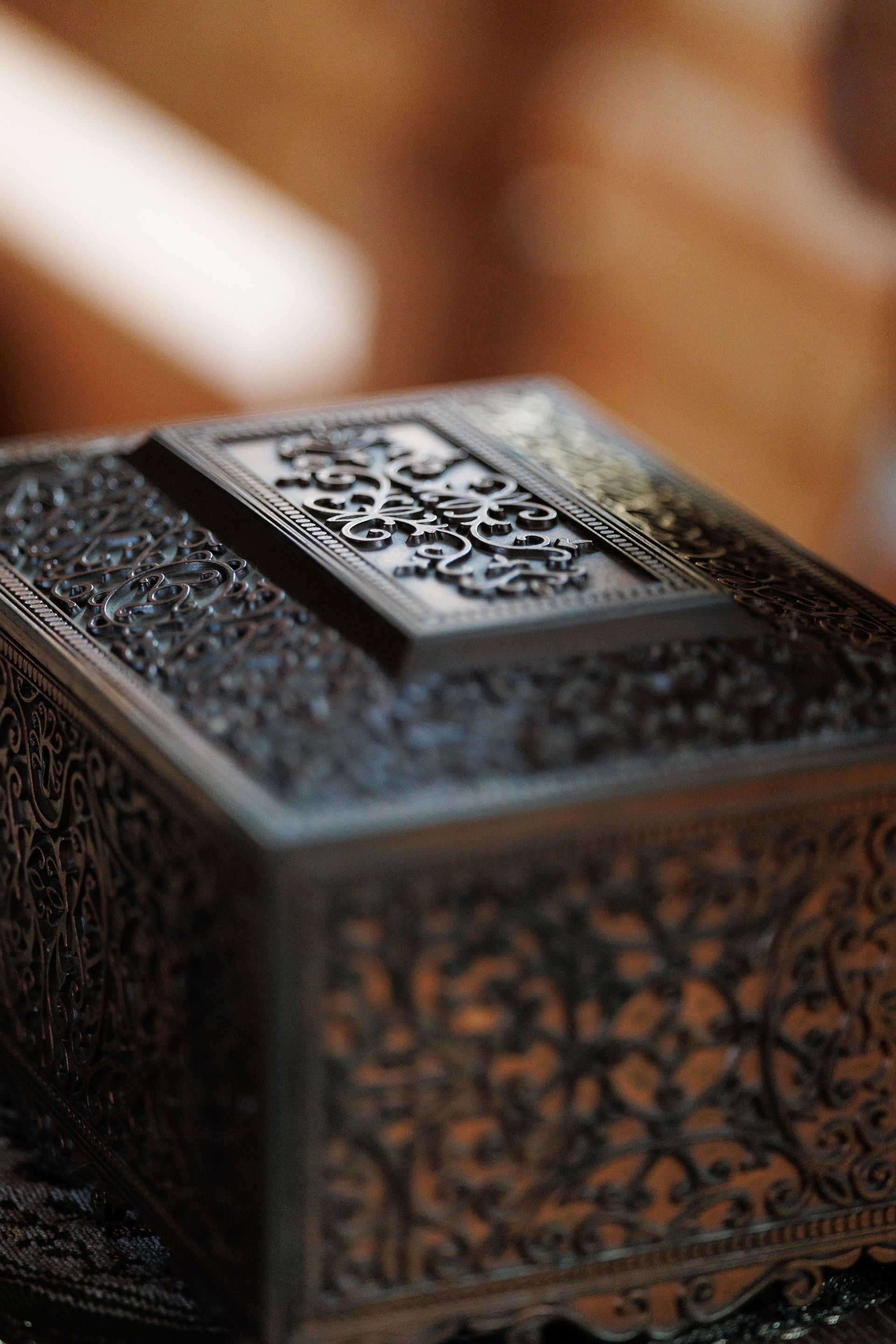
Yes. A Catholic's eternal salvation depends on their faith, love, and grace, not on the method of their burial. The Church formally lifted its ban on cremation in 1963, as the process does not destroy the soul or prevent God from bringing the body to eternal life.
While traditional full-body burial remains the Church's preferred practice, cremation is permitted under specific conditions:
Right Intentions: Cremation must not be chosen to deny the Christian belief in the bodily resurrection.
Proper Treatment: Cremated remains (ashes) must be treated with the same reverence as a human body. They must be buried or entombed in a sacred place, such as a Catholic cemetery or columbarium.
Prohibited Practices: The Church strictly prohibits scattering ashes, dividing them among family members, turning them into jewelry, or keeping them at home.
For more details on the exact guidelines and funeral rites, you can read the Vatican's instruction Ad Resurgendum cum Christo or consult the United States Conference of Catholic Bishops resources.
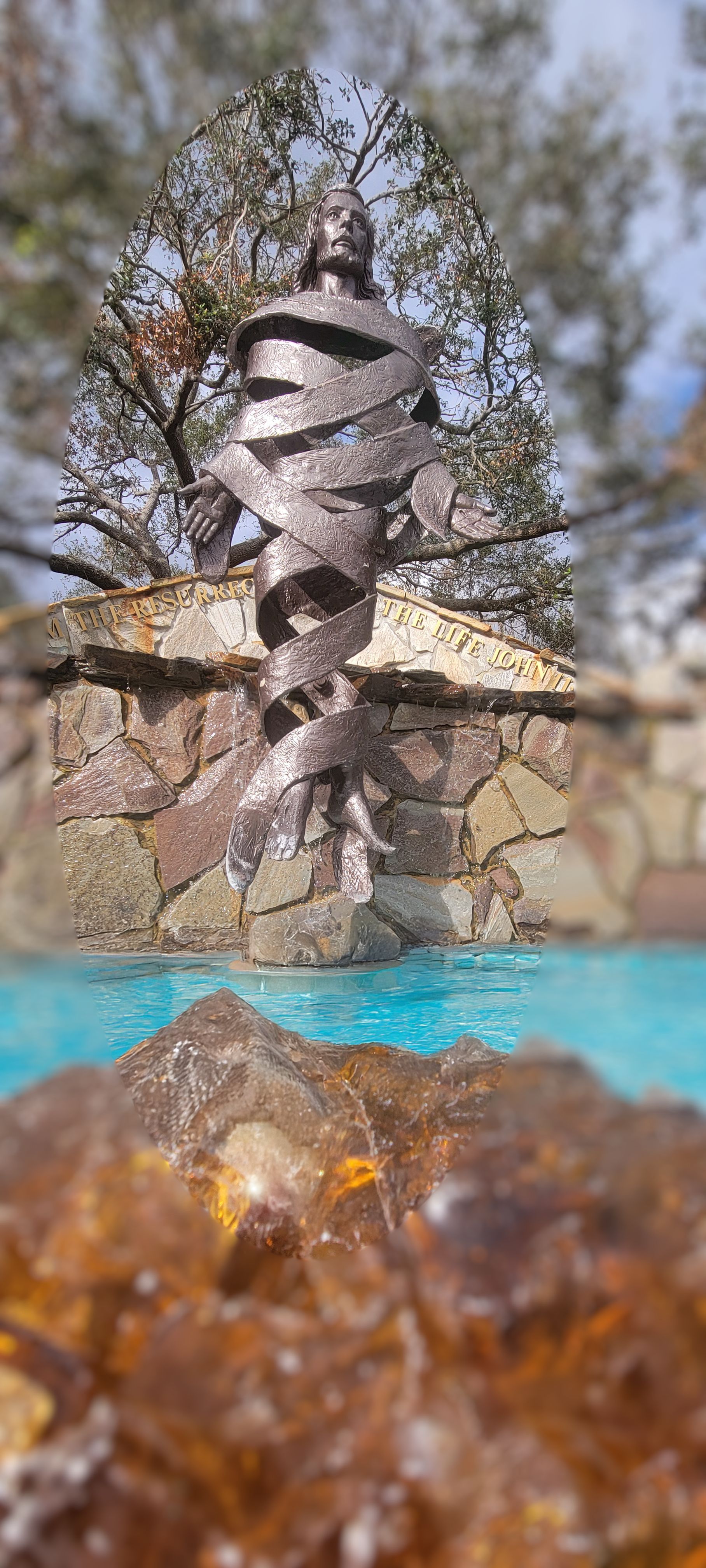
Our Memorial Garden was created to remember and honor our loved ones.
The Garden is beautiful, and a fitting memorial to those who have loved and supported this church and would like to stay and be a part of this community into eternity.
PARISH OFFICE
941-378-1703 EXT 303
